seismic wire, also known as geophone cable, is a vital component in subsurface exploration and seismic surveys. This specialized wire plays a crucial role in capturing and transmitting seismic data. By understanding the properties and capabilities of seismic wire, researchers, geologists, and engineers can harness its power to unlock valuable insights about the earth’s subsurface structures.
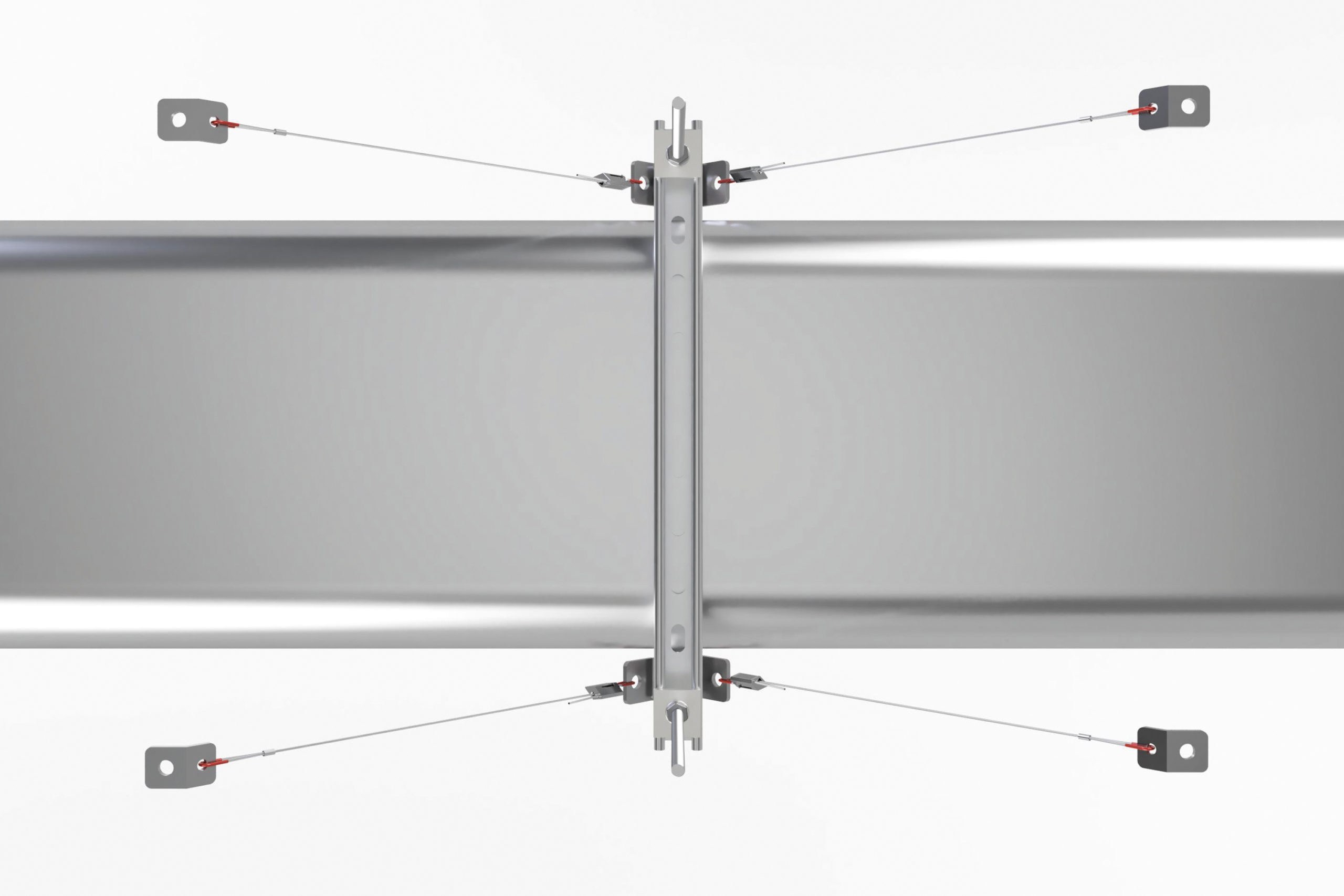
seismic wire is designed to withstand the harsh conditions of seismic exploration. It is engineered to endure extreme temperatures, pressures, and abrasion, making it a durable and reliable tool for data collection. The wire is typically composed of multiple conductors that are insulated and protected by a robust outer layer. This construction enables seismic wire to function effectively in challenging environments, such as rugged terrain, deep water, or frozen landscapes.
The primary function of seismic wire is to transmit signals from geophones to recording instruments. Geophones are seismic sensors that detect ground vibrations caused by seismic waves. These vibrations are converted into electrical signals, which are then transmitted through the seismic wire to recording instruments for analysis. The quality and reliability of seismic data greatly depend on the performance of the seismic wire in transmitting these signals accurately and efficiently.
seismic wire is essential in the process of seismic data acquisition. It enables researchers to collect high-resolution seismic data that provides valuable insights into subsurface structures, such as rock formations, faults, and reservoirs. By analyzing the seismic signals captured by geophones and transmitted through seismic wire, geologists and engineers can map underground structures, identify potential oil and gas reservoirs, and assess geological risks in a given area.
Seismic wire is also instrumental in seismic imaging techniques, such as seismic reflection and tomography. These methods rely on the precise transmission of seismic signals through the wire to create detailed images of subsurface structures. By deploying geophones connected by seismic wire at strategic locations, researchers can generate 2D or 3D seismic images that reveal the hidden layers of the earth’s crust. This information is invaluable for resource exploration, environmental monitoring, and geotechnical engineering projects.
The versatility of seismic wire extends beyond traditional seismic surveys. It is increasingly used in advanced monitoring systems, such as seismic networks and earthquake early warning systems. Seismic wire can be deployed in arrays or arrays of geophones to monitor seismic activity in real-time and provide early warnings of potential earthquakes. These systems rely on the rapid and reliable transmission of seismic signals through the wire to alert authorities and residents of impending seismic events.
In addition to its applications in exploration and monitoring, seismic wire is also used in scientific research and educational programs. Researchers and students use seismic wire to conduct experiments, analyze seismic data, and simulate seismic events in controlled settings. By studying the properties and behavior of seismic waves through the wire, scientists can enhance their understanding of the earth’s dynamic processes and improve seismic hazard assessment models.
The future of seismic wire holds great promise for innovation and advancement in the field of geophysics. Researchers are exploring new materials, designs, and technologies to enhance the performance and capabilities of seismic wire. For example, fiber-optic seismic cables are being developed to provide higher resolution imaging and greater sensitivity to seismic signals. These advancements are poised to revolutionize seismic data acquisition and imaging techniques, opening up new possibilities for understanding the earth’s subsurface structures.
In conclusion, seismic wire is a powerful tool that enables researchers, geologists, and engineers to explore the depths of the earth and unravel its mysteries. Its durability, reliability, and performance make it an indispensable component in seismic surveys, data acquisition, and imaging techniques. As technology continues to evolve, seismic wire will play a vital role in shaping the future of subsurface exploration and seismic research. By harnessing the power and potential of seismic wire, we can gain valuable insights into the dynamic processes that shape our planet.