In the realm of geophysics and seismic exploration, technology plays a crucial role in unlocking the secrets of the Earth’s crust. Among the arsenal of tools and techniques available to geoscientists, seismic wire stands out as a revolutionary innovation that has transformed the way we study and monitor seismic activity. This state-of-the-art technology has paved the way for unprecedented insights into the Earth’s inner workings, enabling us to better understand natural phenomena such as earthquakes, volcanoes, and landslides.
seismic wire is a specialized type of cable designed to transmit seismic signals and vibrations from the ground to recording instruments. Made from durable materials such as steel or fiber-optic strands, this wire is strategically laid out across a designated area to form a network of sensors capable of detecting even the slightest ground movements. These sensors are connected to a central recording unit, which collects and analyzes the data to create detailed seismic maps and models.
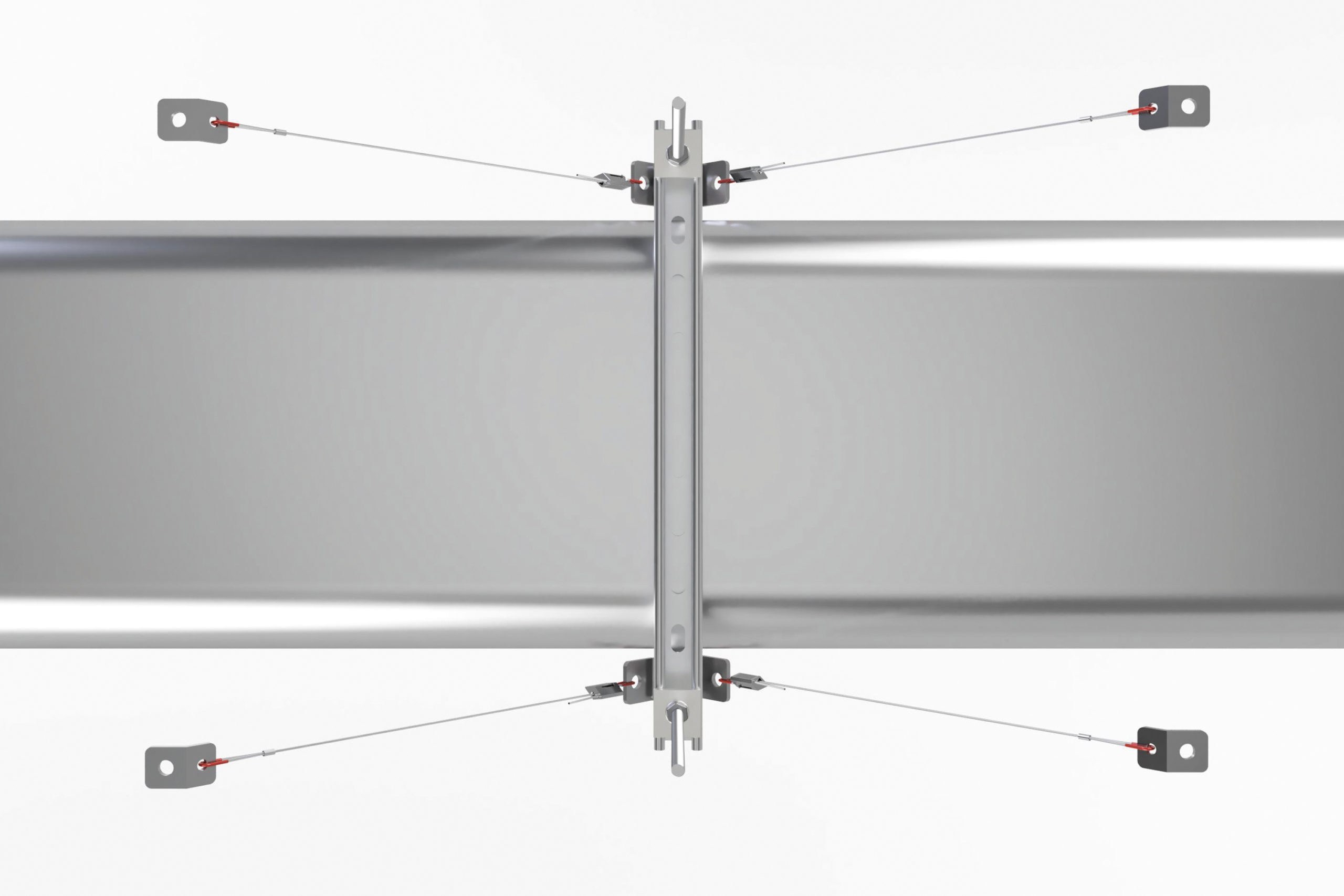
One of the key advantages of seismic wire is its high sensitivity and accuracy in detecting seismic events. Unlike traditional seismometers that are bulky and limited in scope, seismic wire can cover large areas and provide real-time monitoring of seismic activity. This capability is especially valuable in seismically active regions where early detection of earthquakes can mean the difference between life and death.
Another significant benefit of seismic wire is its versatility and adaptability to different environments. Whether deployed on land, underwater, or in harsh terrain, seismic wire can withstand extreme conditions and deliver reliable data under any circumstances. This flexibility makes it an invaluable tool for geoscientists working in diverse geological settings, from urban areas prone to earthquakes to remote regions with volcanic activity.
Furthermore, seismic wire offers a cost-effective solution for seismic monitoring compared to traditional methods. By leveraging advances in technology and material science, researchers can now deploy networks of seismic wire at a fraction of the cost of conventional seismometers. This affordability has democratized access to seismic data, allowing scientists and policymakers around the world to better understand and mitigate the risks associated with seismic hazards.
The applications of seismic wire are wide-ranging and impactful, with implications for both natural disaster preparedness and resource exploration. In earthquake-prone regions, seismic wire can help authorities implement early warning systems to alert communities of imminent seismic events. By detecting the precursor signals of an earthquake, such as foreshocks or ground deformation, seismic wire can provide valuable seconds or minutes of advance notice to take life-saving actions.
Moreover, seismic wire has revolutionized the field of oil and gas exploration by enabling companies to pinpoint underground reservoirs with greater precision. By analyzing the seismic data collected by wire networks, geologists can map the subsurface geology and identify potential reservoirs of hydrocarbons. This information is critical for optimizing drilling operations and maximizing the extraction of valuable resources.
In addition to its applications in natural disaster monitoring and resource exploration, seismic wire has also found its way into the realm of environmental research and climate studies. By tracking subtle changes in the Earth’s crust, researchers can gain insights into the dynamics of tectonic plates, volcanic activity, and glacier movements. This data is essential for understanding the complex interactions between the Earth’s geosphere, hydrosphere, and atmosphere.
Looking ahead, the future of seismic wire holds even greater promise as researchers continue to push the boundaries of detection technology. With ongoing advancements in sensor technology, data analytics, and automation, seismic wire networks are becoming increasingly sophisticated and interconnected. This interconnectedness allows for the seamless integration of seismic data with other geophysical measurements, such as GPS data and satellite imagery, to create a comprehensive picture of the Earth’s dynamic processes.
In conclusion, seismic wire represents a paradigm shift in the field of geophysics, offering unparalleled insights into the Earth’s subsurface and revolutionizing our understanding of seismic activity. By harnessing the power of this breakthrough technology, scientists and engineers have the tools they need to monitor, analyze, and predict seismic events with unprecedented accuracy and reliability. As we continue to unlock the mysteries of the Earth’s crust, seismic wire will undoubtedly play a central role in shaping our future understanding of the dynamic forces that shape our planet.